About
Kampung Kemasan
Where history lives in every corner
East Java, Indonesia
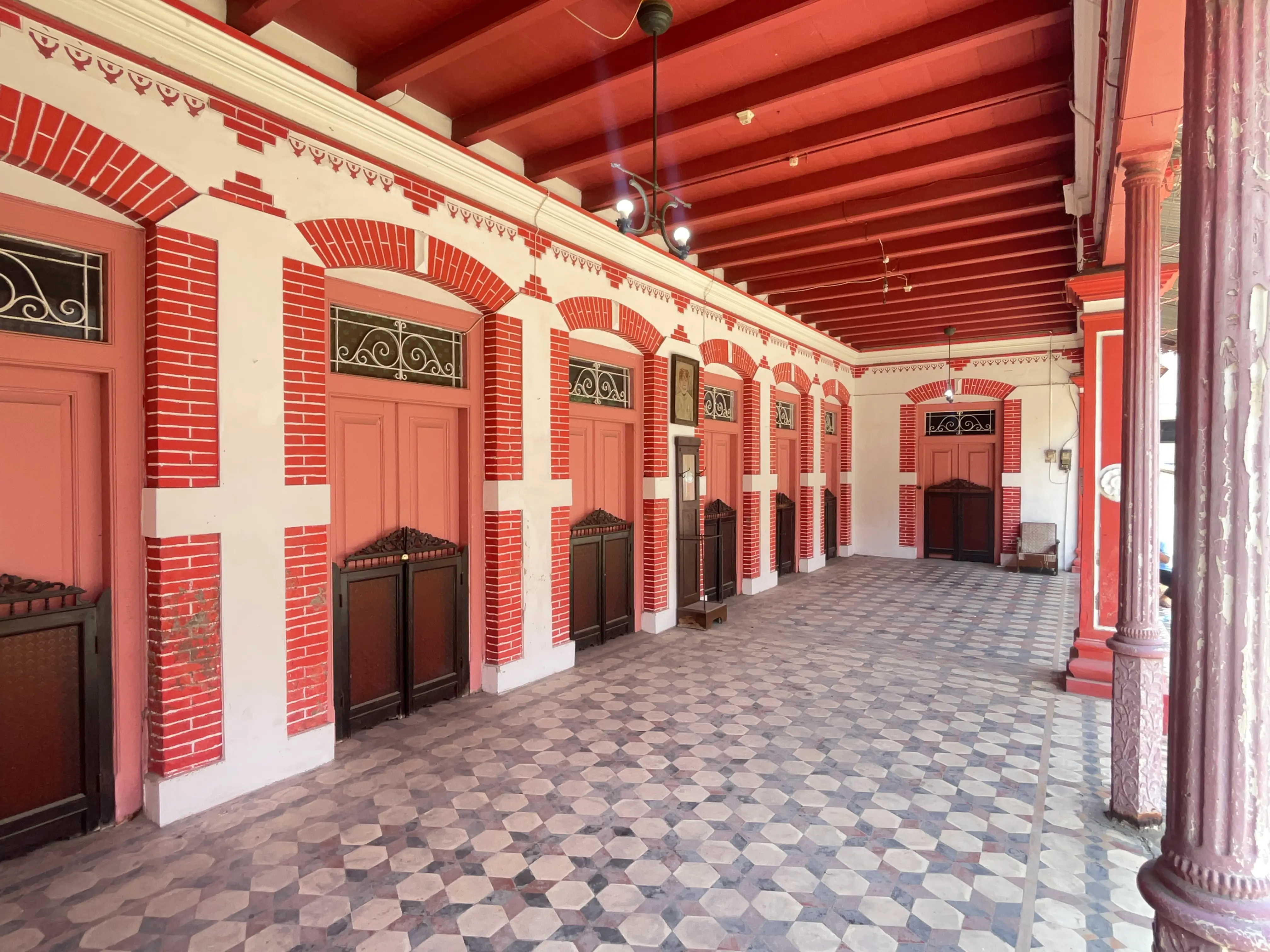
A Journey Through the Heritage of Kampung Kemasan, Gresik
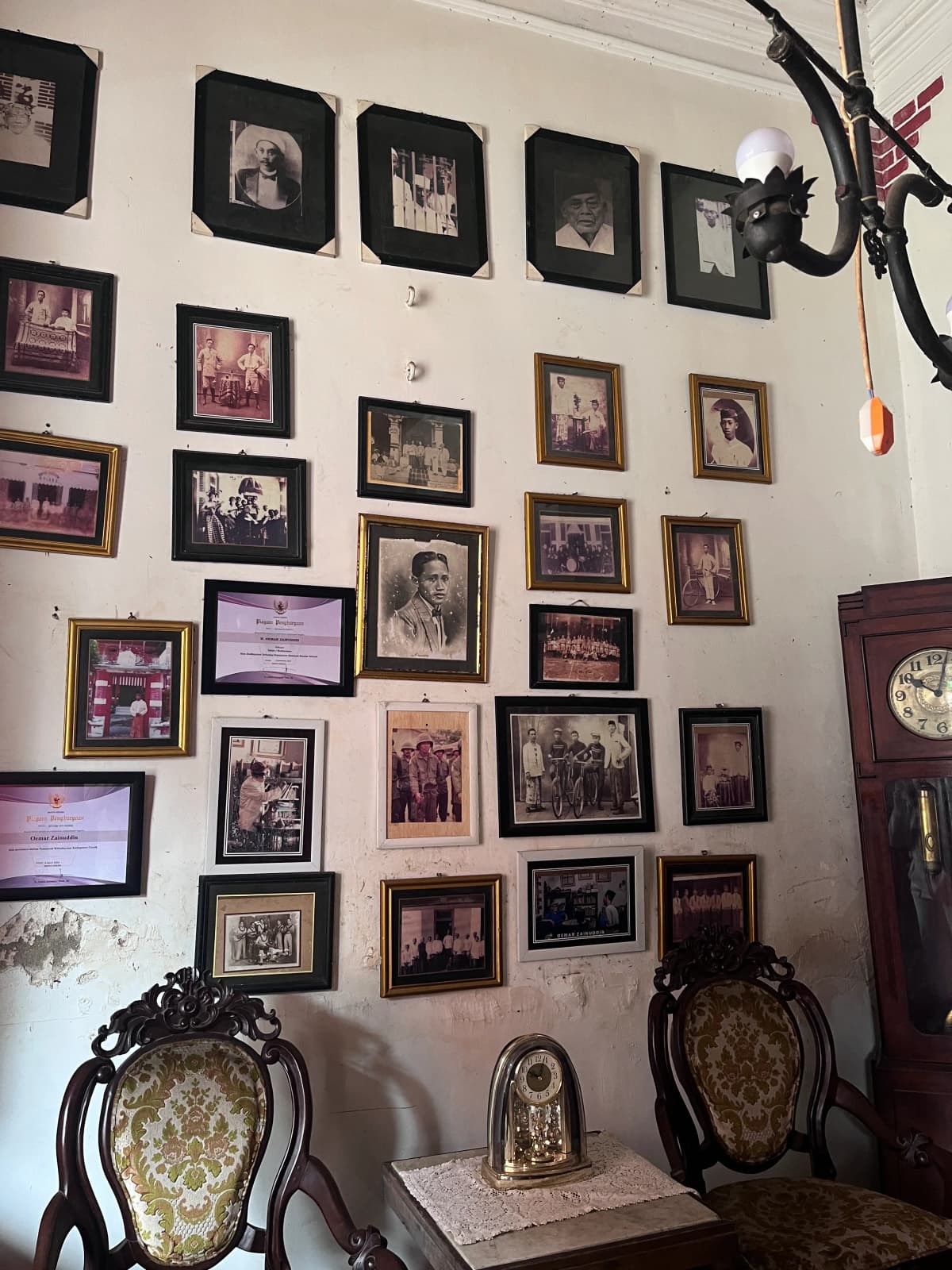
Kampung Kemasan is one of the most historically significant and culturally rich areas in Gresik. The name "Kemasan" is believed to derive from the word "emas" (gold), referring to the gold merchants who once settled and thrived in this area in 1855. In 1896, a leather tanning business was established in Gresik, specifically in Kampung Kemasan. This leather tanning factory was established and influenced economic growth in the city of Gresik and Kampung Kemasan in particular. This business was founded by H. Oemar Bin Achmad.
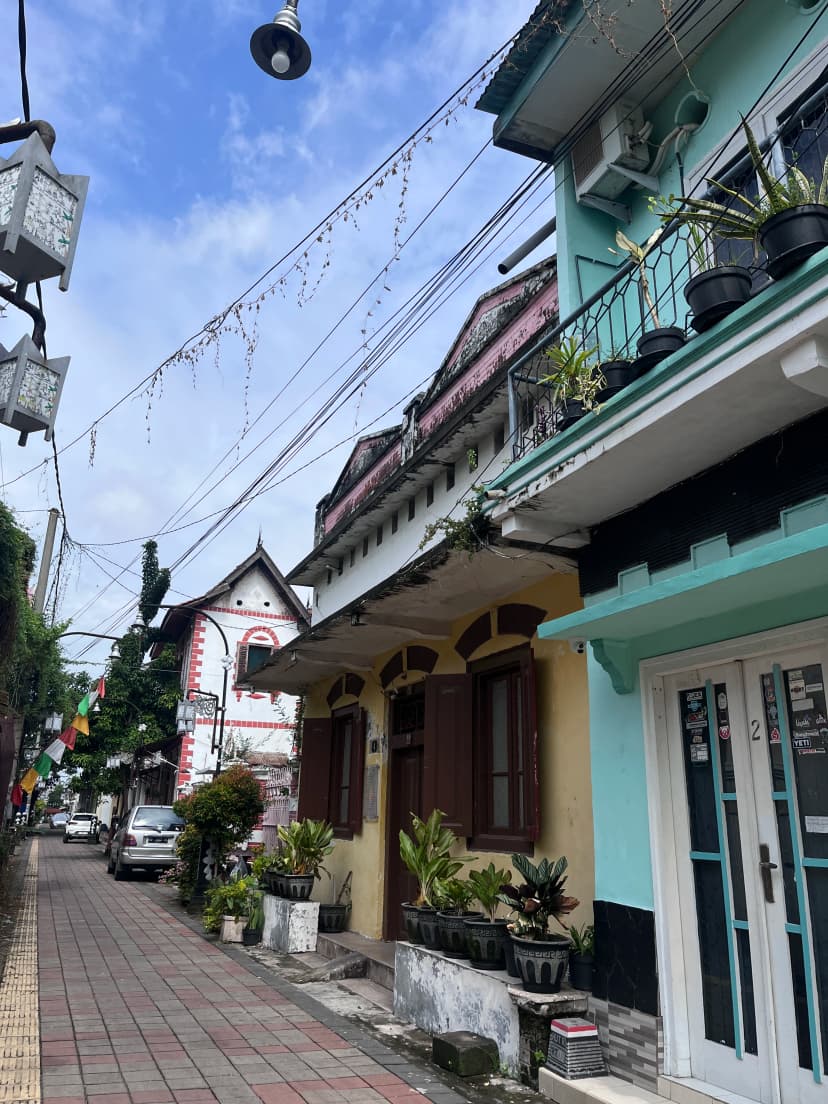
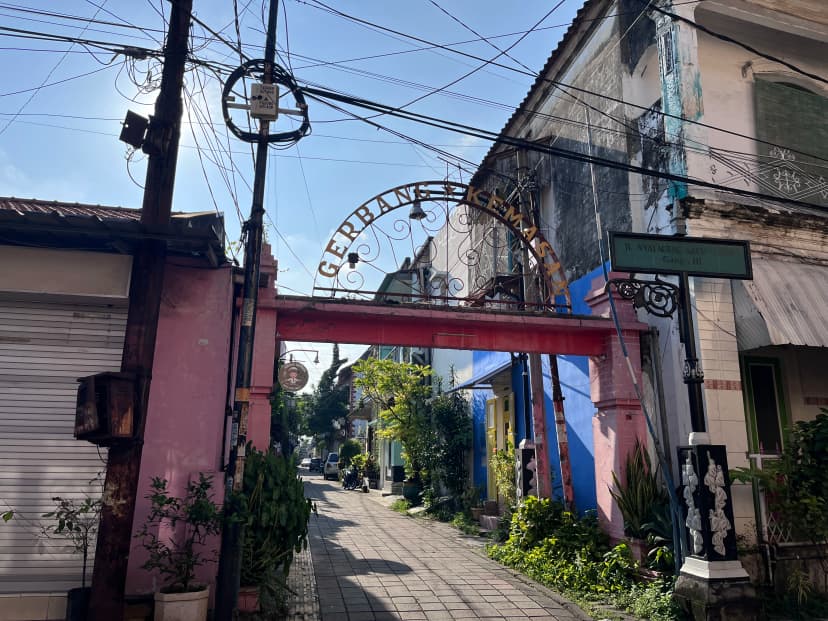
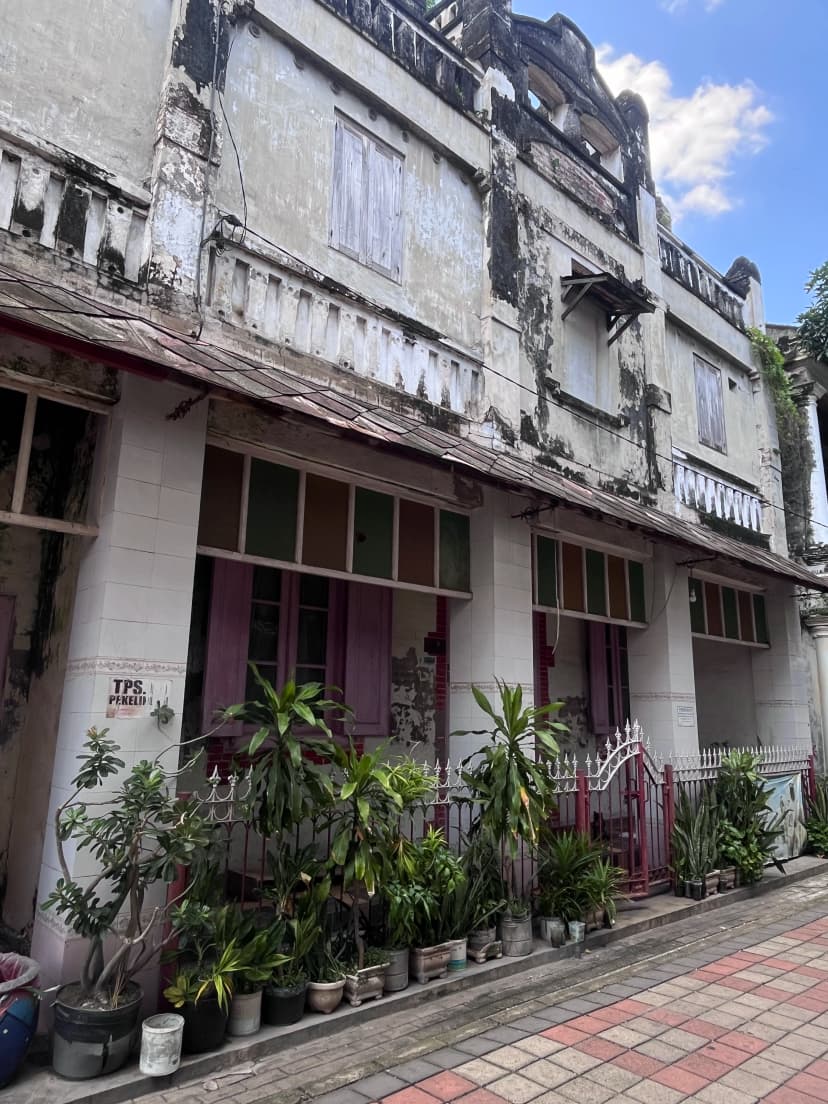
This place highlights the existence of ancient trade, rich traditions, and the architectural elegance of its time - Kampung Kemasan Gresik, a distinctive cultural heritage village.
The inspiration of Kampung Kemasan is closely related to its early history as a center of gold craftsmanship in 1853, the residence there was a house built by a Chinese descendant named Bak Liong. He was well known for his skill in making and repairing gold jewelry. Because of his expertise, many local residents came to him to have their jewelry made or fixed. Over time, this activity became closely associated with the area, and it later became known as Kampung Kemasan, which means “the village of goldsmiths”
Historical Journey
1850 — The influence of Chinese immigrant (Bak Liong)
One of the historical pioneers of Kampung Kemasan
1855 — The Origin of the Name "Kemasan"
The name "Kemasan" is believed to originate from the word 'emas' (gold), referring to the gold merchants who once settled and thrived in this area.
1896 — H. Oemar Bin Achmad's Leather Tanning Industry
H. Oemar Bin Achmad established a leather tanning business in Kampung Kemasan — an industrial milestone that drove the economy of Gresik.
In the late 19th Century — The Era of Grand Merchant Houses
Wealthy merchants built grand houses as symbols of prosperity. These buildings combine Dutch colonial structures, Peranakan Chinese ornaments, and traditional Javanese craftsmanship.
Present Day — Protected Cultural Heritage Area
Thanks to the dedication of the local community, Kampung Kemasan stands firm as an official cultural heritage site of Gresik.
Chinese
Peranakan Ornaments — fine carvings, red-gold colors, and typical Chinese Peranakan decorations.
Dutch Colonial
European Structures — sturdy pillars, tall glass-paneled windows, and 19th-century European-style layouts.
Javanese
Traditional Craftsmanship — touches of batik motifs, Javanese-style wood carvings, and spatial philosophy rooted in local wisdom.
Vision
To preserve Kampung Kemasan as a symbol of multicultural harmony and historical pride in Gresik.
Mission
1
Preserving historical architecture
2
Developing education and understanding for future generations
3
Encouraging the development of sustainable cultural heritage-based tourism